33 Best Wolf Cut Hair Styles You Need to Try
Untamed, effortless, and undeniably cool, the wolf cut has taken modern salons by storm. It blends 1970s rock-and-roll shag texture with the bold edge of an 1980s mullet.
In this guide, you will discover thirty versatile variations tailored for every hair texture and length. You will also learn how to style, maintain, and request the ideal cut from your stylist.
What Is a Wolf Cut?
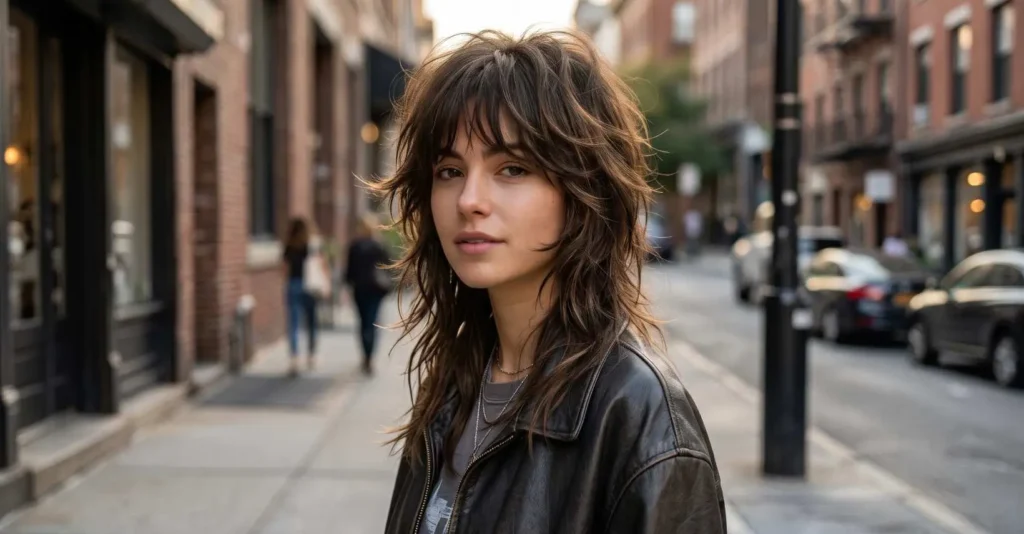
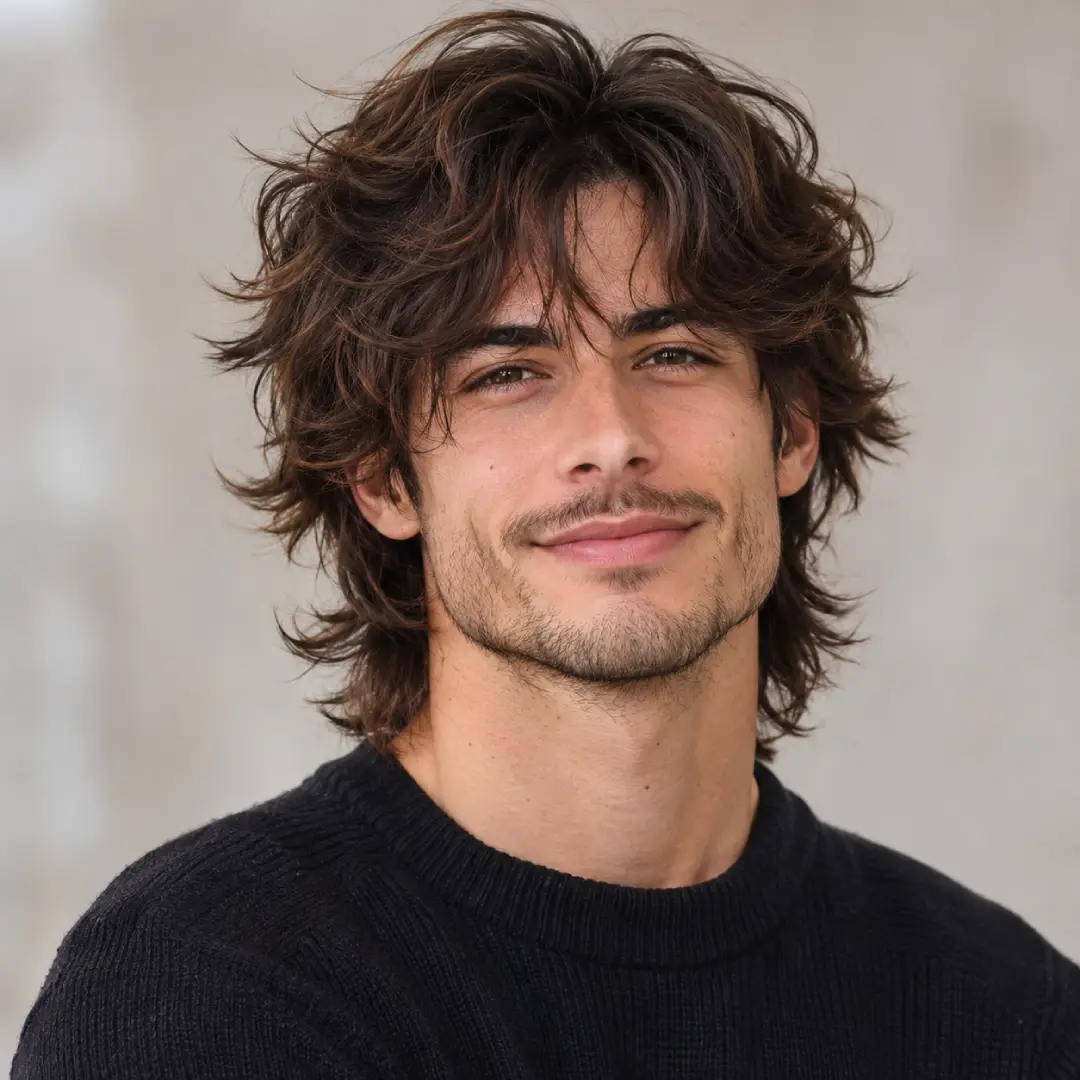
A wolf cut is a heavily layered hairstyle that combines the best elements of a classic shag and a modern mullet. It features short, choppy layers at the crown that create instant volume, tapering into wispy, elongated ends around the neck and shoulders.
Unlike rigid, traditional haircuts, this style thrives on natural movement, disconnected texture, and face-framing fringe. Because stylists can adjust the layer height and density, the cut adapts effortlessly to straight, wavy, curly, and coily hair types.
Is a Wolf Cut Different from a Butterfly Cut?

While both haircuts rely on heavy layering to build volume and movement, they achieve very different silhouettes. A wolf cut uses choppy, disconnected layers and a slightly mullet-like profile for an edgy, messy, and rebellious finish.
In contrast, a butterfly cut focuses on soft, blended, and feathery layers that mimic the wings of a butterfly. It delivers a polished, bouncy, 1990s blowout look rather than the raw, tousled grit of a traditional wolf haircut.
33 Best Hairstyle Wolf Cut for Every Hair Type and Length
Finding the right wolf cut means matching your natural hair texture with a length that fits your daily routine. Explore these thirty variations—from cropped pixie hybrids to flowing, waist-length layers—to pinpoint the exact look for your next salon visit.
1. Short Wolf Cut
A playful, cropped take on the shag cut, the short wolf cut combines elements of the modern shag and layered shag. It features shorter top layers with a textured, voluminous back, creating a bold, edgy look that’s stylish yet easy to manage every day.
2. Long Wolf Cut
A sweeping, extended shape that keeps movement soft and bold for the long wolf-style haircut, shag cut, or modern shag. The layers start higher, so face‑framing pieces stay visible, giving you versatility for styling with waves or sleek finishes.
3. Medium and Shoulder-Length Wolf Cut
A balanced, face-framing length that feels easy to style for medium wolf-style haircut, shag cut, or layered shag variations. The shoulder‑length cut lets you play with loose waves or straight styles, giving you flexibility for everyday looks.
4. Curly Wolf Cut
A springy, defined shape that celebrates natural volume for face-framing curly layers, shag cut, or textured layered shag. It helps curls spring upward instead of flattening, and stylists often cut with springy clumps to preserve the bounce.
5. Wavy Wolf Cut
A loose, beachy texture with relaxed layers for wavy hair, shag cut, or modern shag. Following your natural wave pattern, the layers enhance movement, and a salt spray or sea salt texturizer can boost the effortless vibe.
6. Straight Hair Wolf Cut
A sleek, smoothed version with textured ends for face-framing layers for straight hair, shag cut, or layered shag. The soft layered shape creates gentle movement, and styling with a blow dryer and round brush adds volume without frizz.
7. Thin and Fine Hair Wolf Cut
A delicate, airy cut that adds volume without heaviness for volumizing wolf haircut, shag cut, or layered bob. It uses wispy ends and subtle graduation to create the illusion of density, and light products help keep the hair airy.
8. Thick and Frizzy Hair Wolf Cut
A dense, controlled shape that tames frizz for thick modern mullet, shag cut, or textured layered cut. Layers are cut to balance weight, and using anti‑frizz products plus a heat protectant ensures a smooth, manageable finish.
9. Coily, Afro, Braids and Locs Wolf Cut
A bold, springy interpretation for textured hair, including coily, afro, braids, and locs shag cut. Layers are adapted to the hair’s pattern to shape without tension, and for braids the wolf edge is kept at the ends for a clean finish.
10. Curtain Bangs Wolf Cut
A soft, face-framing fringe that blends into layers for wolf cut with textured shag, shag cut fringe, or layered fringe. Curtain bangs connect to the shortest layers, softening the face and adding a gentle, wispy finish that works well with many styles.
11. Wolf Cut with Classic, Wispy & Fringe Bangs
A flexible fringe option that shifts the vibe for modern mullet bangs, shag cut bangs, or fringe variations. Classic bangs are full and blunt, wispy bangs are thin and airy, and fringe bangs are shorter and textured, giving you choices to match your routine.
12. Wolf Cut without Bangs
A clean, middle-part-friendly version with no fringe for textured mullet without bangs, shag cut without bangs, or layered shag. It works well with either a middle or side part, providing a low‑maintenance option for those who prefer a simple silhouette.
13. Middle Part & Side Part Wolf Cut
A part-focused style that changes the look for shaggy layers, shag cut, or modern shag with middle or side part. A middle part creates balance across the top, while a side part adds drama and movement, letting you experiment with different moods.
14. Shaggy Wolf Cut
A messy, layered style with plenty of texture for shaggy mullet cut, shag cut, or modern shag. It’s perfect for those who love a lived‑in look, and styling with sea salt spray and a diffuser enhances the texture.
15. Mullet Wolf Cut
A retro, stacked shape with modern texture for mullet long layered, mullet shag, or shaggy mullet. It’s a bold, stacked silhouette that mixes shag and mullet elements, giving you a distinctive, edgy appearance.
16. Layered, Textured, Fluffy & Tapered Variations
A customizable approach with extra softness or sharpness for layered shag cut, textured shag, fluffy layers, or tapered shag. You can mix layered, textured, fluffy, and tapered looks, with tapered ends narrowing the bottom for a sleek finish or fluffy layers adding volume at the crown.
17. Soft Wolf Cut
A gentle, low-volume version with rounded layers for soft modern mullet, gentle shag, or soft layered cut. It suits sensitive scalps or fine hair, and keeping the length around the jaw or collarbone enhances its soft, approachable appearance.
18. Bob, Pixie & Bixie Wolf Cut
A short, compact option that works close to the head for bob wolf cut, pixie shag, or bixie layered cut. Each version requires careful layering—bob retains more length, pixie is very cropped, and bixie blends bob and pixie elements for a versatile look.
19. Waterfall Wolf Cut
A cascading shape that pulls hair forward for waterfall layers, waterfall shag, or layered waterfall. It works especially well on medium or long hair, giving a dynamic, face‑forward movement that adds visual interest.
20. Blonde, Bleached & Light Wolf Cut
A bright, airy palette that pairs with light layers for blonde shaggy layers, bleached shag, or light layered cut. Lightened hair needs soft layering to avoid damage, and purple shampoo helps maintain vibrancy while styling with gentle heat tools.
21. Butterfly, Jellyfish & Hime Cut Hybrids
A creative fusion that mixes length and shape for butterfly modern mullet, jellyfish shag, or Hime hybrid. They focus on face‑framing layers—like a butterfly cut adding front layers or a jellyfish cut shortening the top—to create unique, eye‑catching silhouettes.
22. Updos, Ponytails & Styling Placements
A styled-up approach that keeps wolf energy for mullet updo, shag cut ponytail, or layered styling. Half‑up styles showcase layers, while full updos gather the shaggy hair smoothly; teasing the crown adds volume for ponytails.
23. Korean, Asian & Japanese Wolf Cut
A smooth, dense cut with delicate layering for Korean textured, Asian shag, or Japanese layered cut. It often features straight, thick hair and asks for a blunt or soft perimeter to enhance the refined look.
24. Black, Brown, Grey & Dark Tones
A rich, deep color with soft contrast for dark mullet, brown shag, or grey layered cut. These shades can add subtle highlights or low‑contrast color to frame the face, giving a natural, sophisticated appearance.
25. Dyed Wolf Cut
A color-treated version with vivid or subtle tones for dyed mullet cut, color-treated shag, or vivid layered cut. Using color‑safe products and deep conditioning before and after dyeing helps preserve hair health while maintaining the cut’s vibrancy.
26. Tomboy Wolf Cut
An androgynous, casual style with relaxed edges for tomboy textured shag, shaggy mullet, or soft shag. It feels playful and comfortable, and styling with loose waves or straight hair enhances its laid‑back, gender‑neutral appeal.
27. 90s Wolf Cut
A nostalgic, textured revival with shorter layers for 90s mullet cut, 90s shag, or retro layered cut. It features layered, shaggy pieces that create a cool, lived‑in vibe, and feathered layers around the face add extra dimension.
28. 70s Wolf Cut
A retro, wavy shape with rounded layers for 70s mullet cut, 70s shag, or boho layered cut. Long layers and soft waves are key, and using a large curling wand or braiding techniques can recreate the classic 70s movement.
29. Silver Wolf Cut
A cool-toned, low-maintenance silver cut for silver textured shag silver shag, or cool-toned layered cut. The layers should be soft and face‑framing, and using purple or blue toning shampoo keeps the silver bright while lightweight products maintain its shine.
30. Collarbone Wolf Cut
A longer, open shape that skims the collarbone for collarbone modern cut, long shag, or layered collarbone cut. It keeps shaggy layers but stays below the collarbone, creating an elegant silhouette that can be styled with soft waves or straight hair.
31. Choppy Wolf Cut
A choppy wolf cut uses blunt, uneven layers cut at different lengths to give the hair a bold, edgy texture. The short crown layers add volume, and the jagged ends bring out natural movement and a grungy feel. It works best on thick or wavy hair that needs some weight taken out.
32. Piece-y Wolf Cut
A piece-y wolf cut is all about separated, textured strands instead of one smooth, blended shape. The stylist uses point cutting or a razor to make thin, defined pieces that sit apart from each other. A little texturizing spray or matte paste brings out the pieces for an effortless, lived-in look.
33. Loosely Styled Wolf Cut
A loosely styled wolf cut gives you the classic layered shape with a soft, relaxed finish instead of tight, defined texture. The layers are tousled with your fingers, so the hair falls naturally with plenty of movement. A light mousse or sea salt spray and a quick air-dry are all it takes for an easy, undone look.
How To Know If a Wolf Haircut Suits You?

Before booking your salon chair, consider how your hair density and face shape interact with heavy layering. Because wolf haircuts are fully customizable, minor fringe and tier adjustments ensure a flattering look for any profile.
Hair Type
Straight Hair: Needs razor-cut ends or texturizing shears to avoid boxy steps, plus texture spray for grip and movement.
Wavy & Curly Hair: Naturally ideal; tiered layers remove heavy triangle bulk so curls spring upward freely.
Thick or Coily Hair: Benefits from internal weight reduction and tapered crowns to stay sculpted rather than wide.
Face Shape
Long Face: Ask for full horizontal fringe and side volume around the ears to widen your face shape.
Round Face: Choose longer styles with crown height and cheek-skimming curtain bangs to elongate your profile.
Oval Face: Balanced proportions let you rock any variation, from micro bangs to dramatic mullet hybrids.
Square Face: Opt for wispy layers and soft fringe falling past the jawline to diffuse sharp angles.
How to Get a Wolf Cut: What to Ask Your Barber?

Because “wolf haircut style” spans everything from subtle shags to bold mullets, a clear consultation ensures you and your stylist share the exact same vision. Define your desired perimeter length and crown height before sitting down.
Specify Layer Style: Clarify whether you want soft, blended layers or choppy, disconnected edges, and where your fringe should hit.
Show Reference Photos: Bring 2–3 pictures featuring your exact hair texture, density, and face shape.
How to Style a Wolf Cut?

A wolf style thrives on lived-in texture and effortless separation. Follow these five simple steps to lock in root volume:
Wash and Prep: Use a lightweight volumizing shampoo and condition only mid-lengths and ends to keep roots bouncy.
Apply a Pre-Styler: Work volumizing mousse or sea salt spray through damp hair, scrunching upward toward the crown.
Blow-Dry for Shape: Rough-dry roots upside down for lift, or use a low-heat diffuser to set natural waves and curls.
Use a Finishing Product: Warm a dab of matte texturizing paste or wax between your palms and pinch ends to define choppy pieces.
Air-Dry Option: Apply curl cream or texture spray, twist sections, scrunch gently, and let hair dry undisturbed.
How to Do a Wolf Cut at Home?
Want the shaggy volume of a 70s shag with the edge of an 80s mullet? This trendy hairstyle delivers both, and you can do it at home with the right plan.
This guide walks you through all 12 steps, from gathering tools to styling the final look. You’ll learn how to section, cut, and texture your hair for a lived-in finish.
Tip: A quick warning first. Cut less than you think you need. You can always take more off, but you can’t glue it back.
What You’ll Need:

Gather your tools before you start. Use professional hair shears, since household scissors crush and fray hair.
You’ll also need a fine-tooth comb, detangling brush, sectioning clips, snag-free ties, and hair-cutting tape. Add a hand mirror, a spray bottle, and a texturizing product for finishing.
Work in a bright room, facing a clear mirror, with clean, fully detangled hair.
Step 1: Understand the Wolf Haircut Shape

This shape is built in contrast. Think short, face-framing layers, a textured crown, and longer lengths at the back.
The ends should look choppy and light. The overall vibe is slightly messy on purpose.
Forget blunt, perfectly even lines. You’re aiming for movement, balance, and volume.
Step 2: Detangle and Prepare Your Hair

Brush from roots to ends until every knot is gone. Smooth hair gives you predictable cutting angles.
If your hair is curly or wavy, remember it shrinks as it dries. Work with dry or lightly misted hair and cut conservatively.
For example, if you want curls to land at your collarbone, cut them a full inch or two longer.
Step 3: Create Your Main Sections

Part your hair horizontally from the top of one ear, across the crown, to the top of the other ear.
Then clip the lower back half out of the way.
This split gives you control over where the shortest layers begin and how much length stays at the back.
It also makes the layers connect smoothly, so the final shape looks intentional.
Step 4: Create the Front Ponytail

Comb the front section forward toward the center of your forehead. Secure it in a tight, neat ponytail.
This over-direction trick matters. When released, the strands fall back into graduated, face-framing layers.
Instead of stacking elastics, slide a snug silicone band down to your cut line. Hair-cutting tape also works well to hold everything flat.
Step 5: Cut the Front Section

Place your fingers or elastic at your target length. On your first pass, start below the chin or at the collarbone.
Use point cutting only. Angle your shears vertically into the ends at about 45 degrees and make small snips.
Never cut straight across. Point cutting creates softer ends, less bulk, and that choppy look.
Step 6: Soften the Front Layers

Keep the ponytail secured and check the cut ends between your index and middle fingers.
Make tiny point cuts around the edge to break up dense clusters. This removes weight without losing your base length.
Aim for a light, feathered edge, not a blunt shelf.
Step 7: Create the Crown and Back Layers

Unclip the upper back and crown section. Gather it and lift the ponytail straight up toward the ceiling at 90 degrees.
The higher you lift, the shorter and more dramatic the crown layers become.
Point-cut vertically across the ends, just like the front. Once released, you’ll see a gradient: short crown volume, textured mid-lengths, and a long back curtain.
Step 8: Add More Texture

Before dropping the crown section, brush it upward once more. Grip the ends about an inch from the tips.
Use light, deep point cuts to separate the layers and reduce weight.
Go easy here. The style needs enough density to hold its shape, and over-thinning leaves end up being stringy.
Step 9: Remove the Hair Ties or Tape

Carefully snip or slide off the elastics and tape. Avoid pulling, which can snag strands.
Let your hair fall naturally around your shoulders. Shake your roots with your fingertips so the layers settle.
This is the first real look at your new shape.
Step 10: Check the Layers

Stand between your main mirror and a hand mirror. Review the front, sides, and back.
Look for uneven sections, heavy areas, blunt lines, and stray pieces. Also check that the layers blend naturally.
If you find a heavy shelf, pick up that single strand and point-cut into the tips. Skip broad cuts for small fixes.
Step 11: Style Your Wolf Haircut

Styling brings the layers to life. Choose products that match your hair type.
Texturizing spray gives gritty, lived-in waves. Lightweight cream softens ends without stiffness, and volumizing mousse lifts the crown during blow-drying.
Sea-salt spray adds beachy bends, while light wax defines face-framing pieces. Use a coin-sized amount and avoid heavy oils, which flatten volume.
Step 12: Create the Signature Messy Finish

The finished look should feel effortless, never rigid or over-polished.
Flip your head forward and shake out your roots. Then flip back up and gently scrunch the ends around your cheekbones and jawline.
The winning formula is simple: volume, movement, texture, soft face-framing layers, and length in the back.
Final Thoughts

Doing this wolf haircut at home takes patience, but the payoff is a bold, easy-to-style look. Cut slowly, check often, and trust the point-cutting technique.
Not confident yet? Start with the front layers and see how you like them. You can always continue once you feel comfortable.
Remember the golden rule: Cut Less First, Then Refine.
Is a Low Maintenance Wolf Cut Right for You?

Wavy and curly hair makes the wolf hiarcut ultra-low maintenance, naturally embracing bedhead texture. Fine or straight hair, however, requires a few minutes of daily styling with texturizing products to avoid flatness.
Hair Routine: Use dry shampoo and sea salt spray to revive flattened roots in seconds.
Regular Trims: Shape up every 6 to 8 weeks to keep crown layers bouncy and prevent the tail from overpowering your silhouette.
FAQs: Frequently Asked Questions
Conclusion
The wolf haircut remains one of the most adaptable, expressive haircuts in modern hairstyling because it celebrates natural texture over rigid perfection. Whether you choose a soft, collarbone-grazing look with curtain bangs or a bold, dyed mullet hybrid, the layers can be tailored entirely to you.
Save two or three of your favorite variations from this guide and share them with your stylist at your next appointment. With the right layer placement and a lightweight texturizing product, you will walk out with effortless volume and undeniable edge.
Billy Neale
A professional hairstylist and haircare specialist passionate about modern hairstyles, expert haircut techniques, and helping men & women achieve healthy, stylish hair.